A gym keeps charging after cancellation: how to document the dispute
You canceled your gym membership, but the monthly charge showed up again. Maybe the front desk says the cancellation never went through, or that you owed another month. Here is how to tell whether the charge is allowed, how to build a record that holds up, and how to stop and dispute the charges through your card issuer or bank. This is general information, not legal advice.
KEY TAKEAWAYS
- First check whether the charge is allowed by your contract, such as a notice period or an annual fee. If not, treat it as a dispute and start a written record.
- Your strongest evidence is proof of the date you canceled and how: a confirmation email, a screenshot, a certified mail receipt, or a dated letter.
- Credit card holders can dispute a charge as a billing error. The written notice must reach the card issuer within 60 days after the first statement showing the charge.
- For debit card or bank account charges, you can tell your bank to stop future automatic payments at least three business days before the next scheduled charge.
First, check whether the charge is allowed
Before you dispute anything, reread your membership contract. Some charges after cancellation are part of the agreement, and knowing that early keeps your dispute focused on the charges that are not.
- A notice period. Some contracts require 30 days’ notice, so one more monthly charge may follow your cancellation.
- A minimum term. If you signed up for 12 months, canceling early may trigger a buyout or early termination fee.
- An annual fee. Some gyms bill a yearly maintenance or “enhancement” fee on a set date.
- A freeze, not a cancellation. A membership put on hold may restart billing automatically.
If the charge is not explained by your contract, or the gym ignored a valid cancellation, treat it as a billing dispute and start documenting it now.
Documents to prove you canceled
Disputes are usually decided on paper. The question is simple: can you show when and how you canceled? Collect everything in one folder.
DOCUMENTS TO PROVE YOU CANCELED
- Your membership contract, including the cancellation terms, notice period, and any annual or enhancement fee.
- Proof of cancellation: a confirmation email, cancellation number, screenshot of the app or website, or a copy of your letter with a certified mail receipt.
- Bank or card statements showing each charge after the cancellation date.
- Messages with the gym, including emails, texts, and chat transcripts.
- Notes from calls and visits: date, time, the staff member’s name, and what was said.
- Any reason-based paperwork, such as proof of a move or a doctor’s note, if your contract or state law allows cancellation for that reason.
If you canceled in person or by phone and got nothing in writing, send a short written cancellation now by email and by certified mail. Mention the date you first canceled and ask the gym to confirm in writing.
Keep a dispute log
A dated log turns a frustrating back-and-forth into a clear timeline your card issuer, bank, or a state agency can follow. Write down every contact as it happens, not from memory weeks later.
| Date | How | Who | What happened | Proof saved |
|---|---|---|---|---|
| March 3 | Online form | Gym website | Submitted cancellation | Screenshot, confirmation email |
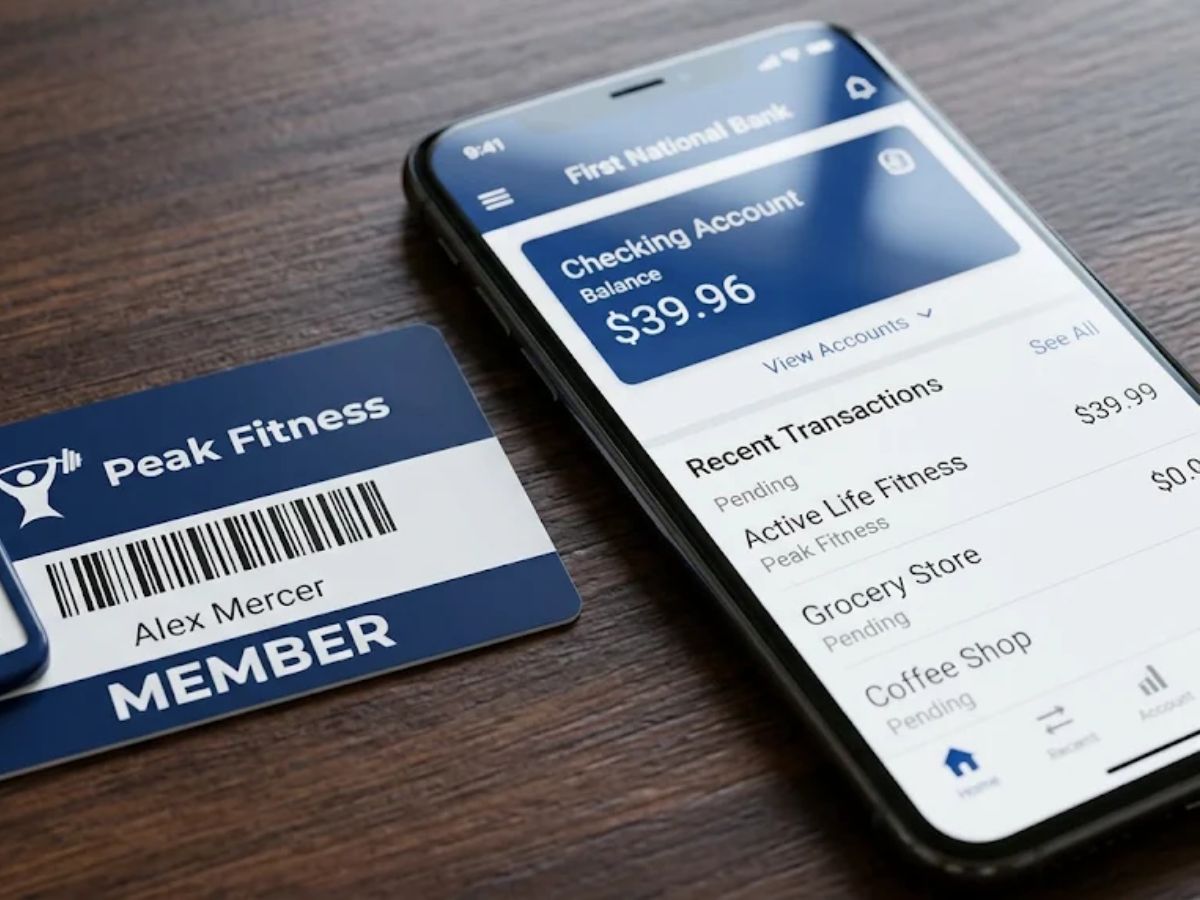
| April 5 | Bank app | — | $39.99 charge after cancellation | Statement PDF |
| April 6 | Phone | Front desk, “J.” | Told the cancellation was “not processed” | Call notes |
| April 6 | Gym billing | Sent written refund request with proof | Sent email copy |
Keep your log in a notes app or spreadsheet, and add a row every time you contact the gym, your bank, or a government office.
Steps to stop the charges and get a refund
- Ask the gym in writing. Send a letter or email with your cancellation proof, the charges you want refunded, and a reasonable deadline. Keep a copy.
- Dispute credit card charges as a billing error. Under the Fair Credit Billing Act, a charge for services you did not accept can be a billing error. Your written notice must reach the card issuer within 60 days after it sent the first statement showing the charge. While the dispute is open, you do not have to pay the disputed amount.
- Stop future debit card or bank account charges. Under federal electronic transfer rules, you can tell your bank to stop a recurring automatic payment at least three business days before it is scheduled. Your bank may ask for written confirmation within 14 days of a phone request. Also tell the gym in writing that you are revoking its permission to charge your account.
- Ask your bank about charges already taken. Ask how your bank handles disputes for recurring charges you did not authorize after canceling, and what it needs from you. Send your proof of cancellation and your log.
- File a complaint if it continues. Contact your state attorney general’s consumer protection office. If your bank or card issuer does not handle the dispute properly, you can file a complaint with the Consumer Financial Protection Bureau. You can also report the business to the FTC at ReportFraud.ftc.gov.
SAMPLE LETTER TO THE GYM
[Your name]
[Your address and email]
[Date]
[Gym name]
Attn: Billing or Membership Department
[Address]
Re: Charges after cancellation, member number [number]
I canceled my membership on [date] by [method]. My confirmation number is [number], and a copy of the confirmation is attached. Since then, I have been charged [amount] on [dates].
Please stop all future charges, confirm in writing that my membership is closed, and refund [total amount] by [date, about 14 days from now].
[Your signature]
Sample only. Adjust it to your contract and facts, keep a copy, and send it in a way that gives you proof of delivery.
Cancellation rules that may help
Federal and state rules on canceling recurring memberships differ, so the protections available depend on where you live and how you signed up.
- Federal law for online sign-ups. The Restore Online Shoppers’ Confidence Act requires businesses that sell recurring services online to provide simple mechanisms to stop recurring charges.
- The FTC’s “click to cancel” rule is not in effect. A federal appeals court vacated the FTC’s updated Negative Option Rule on July 8, 2025, before it took effect. State laws and the Restore Online Shoppers’ Confidence Act still apply.
- California. For contracts entered into, amended, or extended on or after July 1, 2025, businesses that let consumers sign up for automatic renewal online must let them cancel online, through a prominent direct link or button or a ready-to-send cancellation email.
- New York. New York’s automatic renewal law requires a cancellation method as easy to use as the one used to sign up. Businesses that signed you up in person must at least offer cancellation online or by phone.
Many states also have separate laws for health club contracts, such as cooling-off periods or cancellation for moving or medical reasons. Look up your state’s consumer protection office on our state legal resources page.
If the gym sends the balance to collections
Some disputed gym balances end up with a debt collector. You have specific rights at that stage, including the right to dispute the debt in writing. See our explainer on what to do when a canceled membership goes to collections. For cancellation rules across all kinds of subscriptions, see our guide to subscriptions, refunds, and collections.
Frequently asked questions
Can a gym keep charging me after I cancel?
Only if your contract allows it, such as a notice period, a minimum term, or an annual fee. Charges after a valid cancellation that your contract does not explain can be disputed.
Can I just cancel my card to stop the charges?
Replacing your card may stop charges for a while, but it does not end the contract, and some businesses may receive your new card details automatically. It is better to cancel in writing, revoke the gym’s permission to charge you, and ask your bank to stop future payments.
The gym says I have to cancel in person or by certified mail. Is that allowed?
It depends on your state and how you signed up. California and New York require easier cancellation for many automatic renewal contracts. If you are unsure, follow the gym’s stated method and keep proof, and ask your state attorney general’s office whether the requirement is allowed.
How long do I have to dispute a credit card charge?
Your written billing error notice must reach the card issuer within 60 days after it sent the first statement showing the charge. Card issuers may also offer their own dispute process with different timing.
What if the gym closed?
If the gym closed and kept charging or took prepaid fees, see our explainer on customer refunds when a business closes.
Sources
- 12 C.F.R. § 1026.13, billing error resolution (Regulation Z)
- 12 C.F.R. § 1005.10, preauthorized transfers (Regulation E)
- 15 U.S.C. § 8403, Restore Online Shoppers’ Confidence Act
- California Business and Professions Code § 17602
- New York General Business Law § 527-a
- Steptoe, “FTC’s Click-to-Cancel Rule Vacated by Eighth Circuit” (2025)
More consumer guides are in our Consumer Rights section. This article is general information, not legal advice. See our Legal Disclaimer. Spot an error? Read our Corrections Policy.